
What You Need to Know About Sunscreen
Korean Sunscreen
As an Esthetician, protecting your skin from the sun is very important to me.
I always recommend my clients wear sunscreen every single day- rain or shine. This is for several reasons:
Your other products can work to their full potential when your skin is not constantly repairing itself from the sun.
A LOT of client skin complaints are a result of sun damage. Age spots, redness, impaired barrier, pre-mature aging, sagging, and even acne can be made worse by unprotected sun exposure.
Doing more advanced treatments like chemical peels can be dangerous if your skin is not protected from the sun.
Skin cancer is the most common form of cancer, and it can be DEADLY. “Your risk of developing potentially deadly melanoma DOUBLES with a history of 5 or more sunburns.” -Skin Cancer Foundation
Overall, your skin will be healthier and happier when you wear sunscreen every day.
What does “SPF” mean?
“SPF” stands for Sun Protection Factor. The number of SPF is how long it takes your skin to redden while exposed to UVB rays wearing it vs without. An SPF 50 takes 50 times more UV energy to redden your skin than if you were to not wear any sunscreen, prolonging the time you can be in the sun without burning.
What is “PA+++”?
While SPF measures protection against UVB rays (sunburn), the PA rating is specific to UVA rays. UVA are the rays that cause premature aging, sagging/wrinkles, and cancer. From PA+ to PA++++ indicates some protection to highest protection.
Broad spectrum uses both SPF and PA+ to protect against UVB and UVA.
Not all sunscreens are for everyone, but a good sunscreen is the one that you will wear reliably.
When choosing a sunscreen, there are a few things to consider. Your skin tone, how it feels when you wear it, if you will be in the direct sun for a prolonged period, and your proclivity to having clogged pores. Some people have a preference for chemical vs mineral; however, both offer safe and effective protection from the sun.
Even the deepest skin tones only have a natural SPF of 15 at MOST. That is not enough to protect you from cancer-causing UV.
I recommend most people wear at least an SPF 30, but a 50 is often better for light to medium skin tones, or if you will be in direct sunlight that day.
What’s important when shopping for a sunscreen?
Non-comedogenic or oil free for acne prone skin
Sweatproof or water-resistant for long days in the sun or for outdoor activities
Blue-light protection- antioxidants added to spf can protect your skin from blue-light emitted from our devices
Ingredients that have added skin health benefits are a bonus!
Minimum SPF 30
Look for broad spectrum to protect against both UVA and UVB rays
Pros of Mineral sunscreens:
They are generally thought to be less pore-clogging for acne prone skin depending on the formulation
Zinc oxide and Titanium dioxide are anti-inflammatory
Provide protection quicker than chemical since they sit on the top of the skin and reflect UV rays right away
Cons of Mineral sunscreens:
Hard to formulate without a white cast- not always great for deeper skin tones
Can feel thicker or sticky
Pros of Chemical sunscreens:
Often have longer lasting formulas
Go on transparent- no white cast
Feels lighter
Cons of Chemical sunscreens:
Some formulations can be irritating to acne or sensitive skin
Takes a little longer to start working (needs to sink into the skin and dry down to be effective)
Hybrid formulas:
Get the best of both! Formulas that utilize both mineral and chemical sunscreens often have less of a white cast and feel great on the skin
Having anti-inflammatory ingredients from the mineral sunscreen often makes the chemical sunscreen less irritating to sensitive skin
Great for all skin types and tones
Some Favorites on the market:
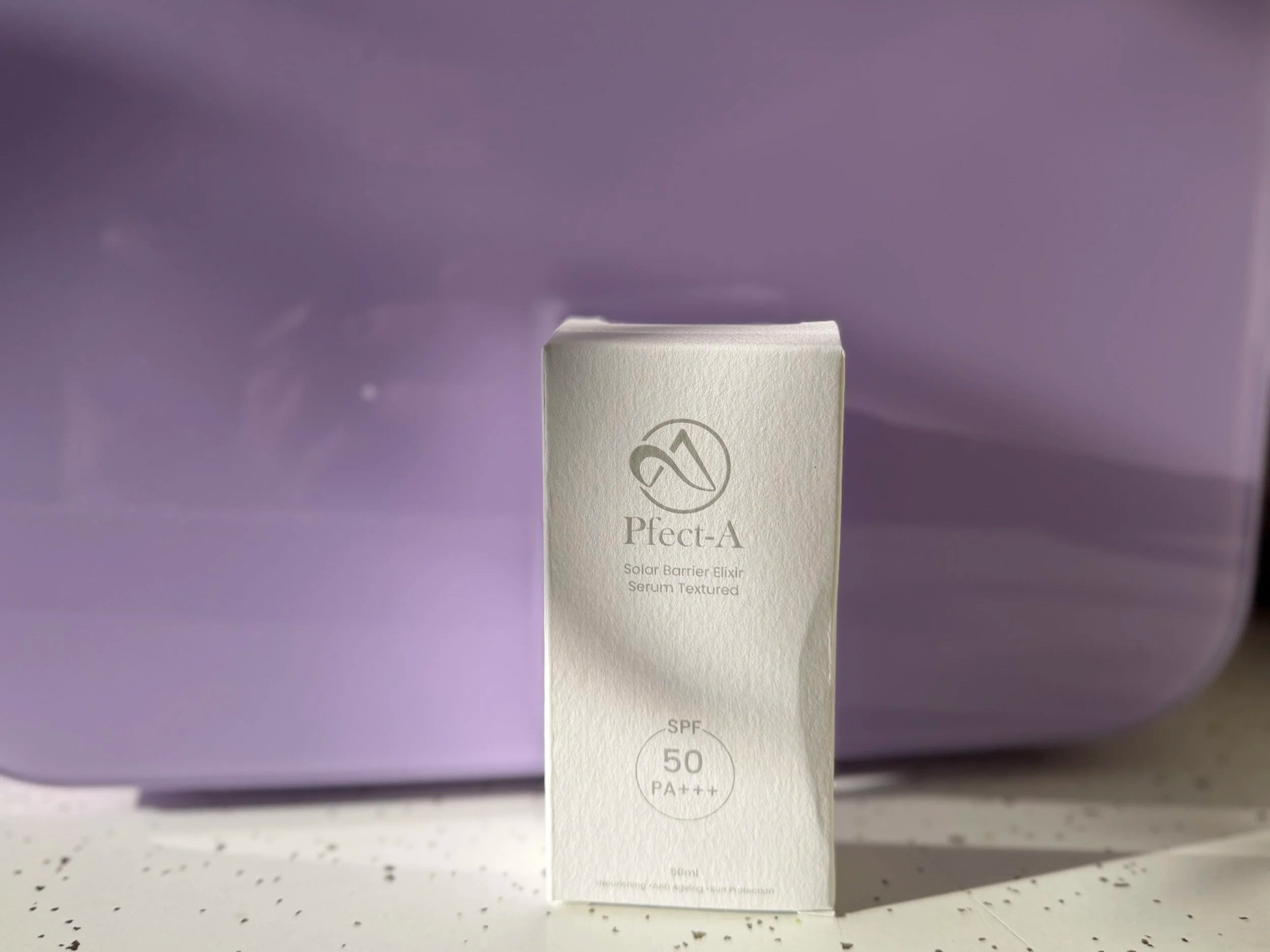
Pfect-A SPF 50 PA+++ - my all time favorite sunscreen for face! I carry this brand at The Dolly Byrd
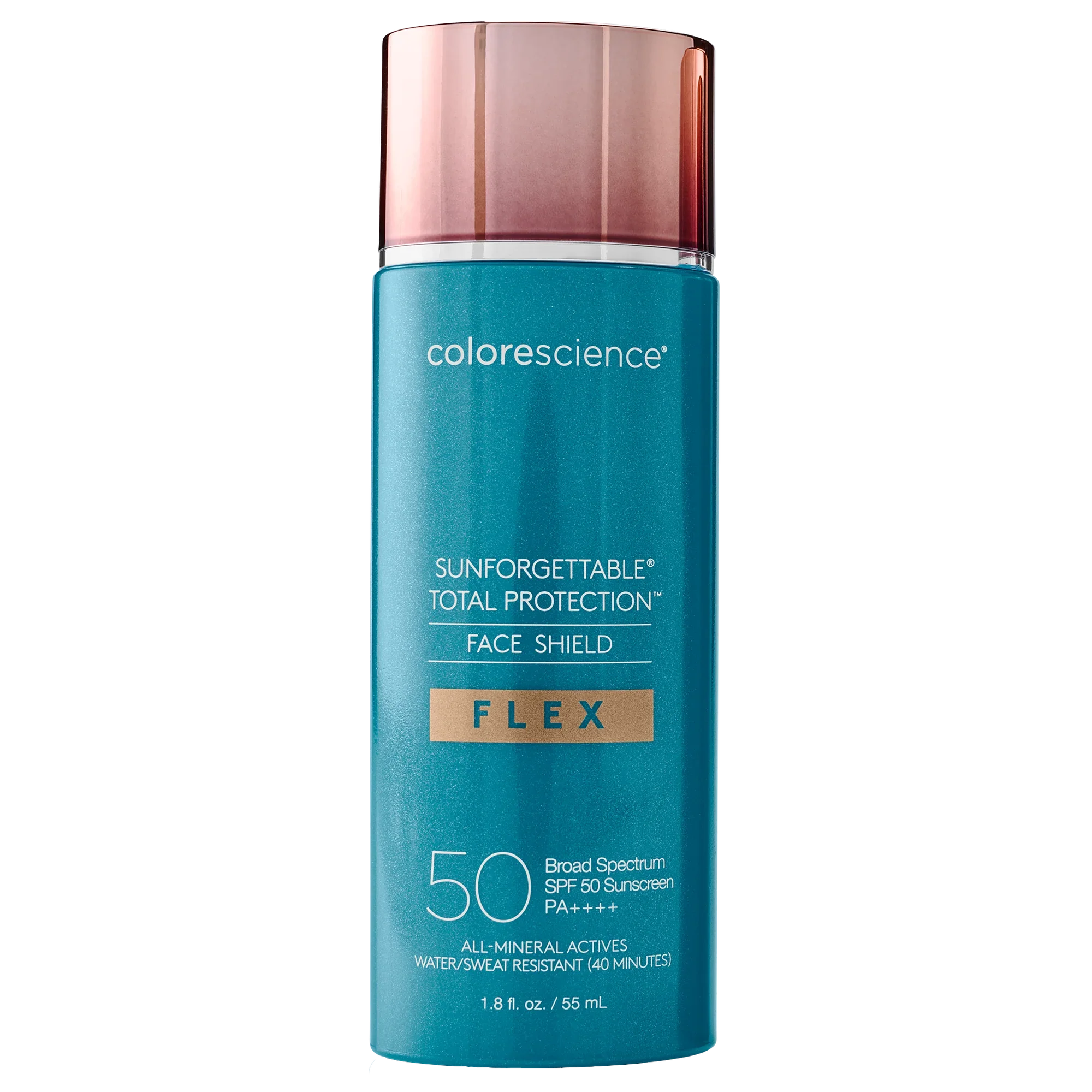
Colorscience- I love that they have makeup with spf added
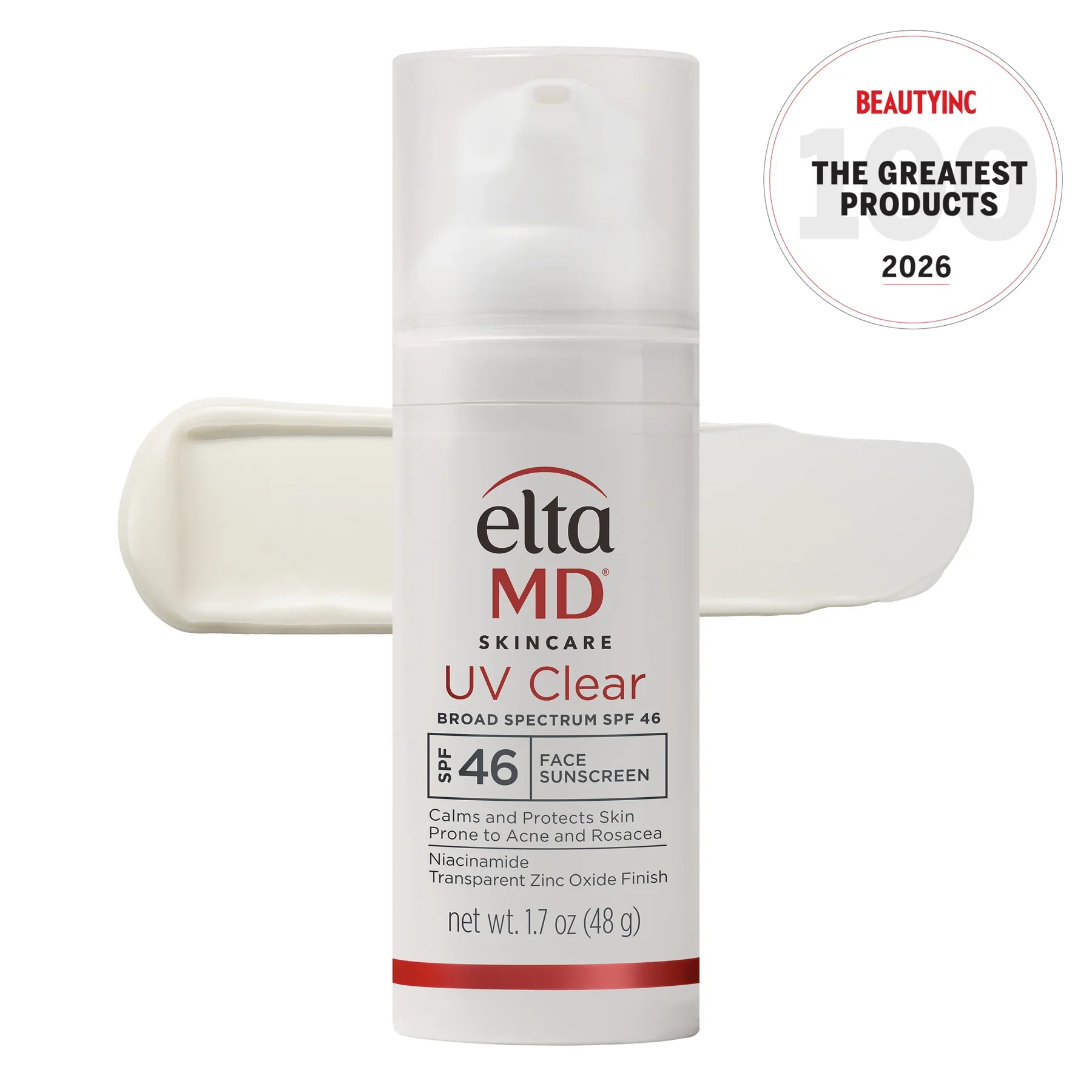
EltaMD
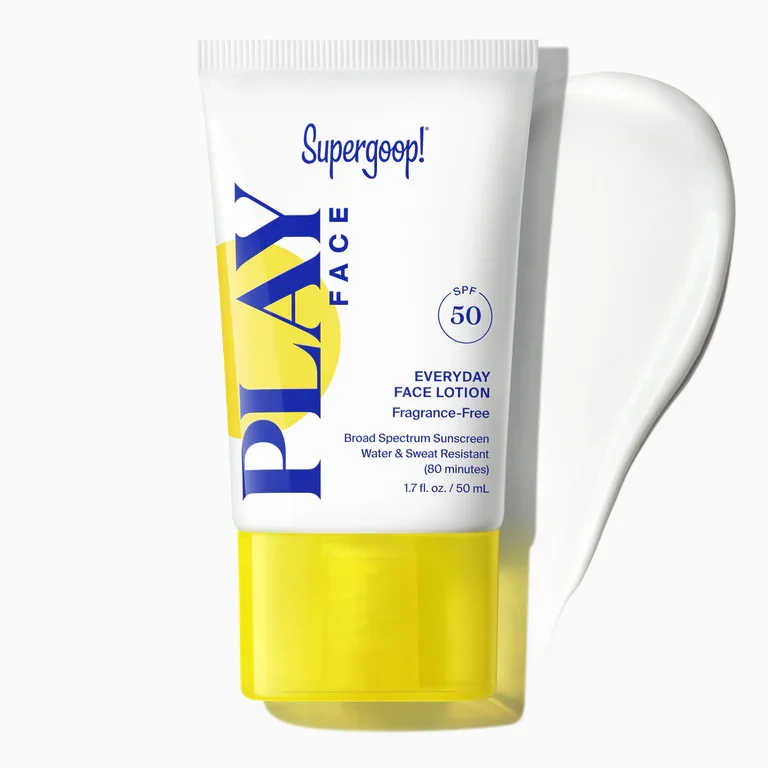
SuperGoop
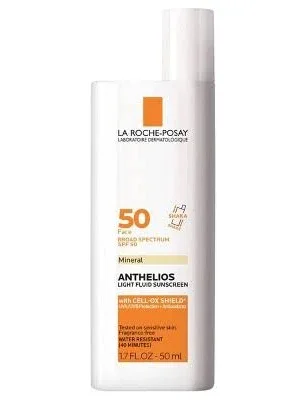
LaRoche Posay - easily accessible at most drug stores/Ulta
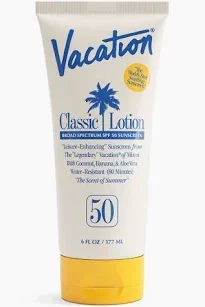
Vacation Classic Lotion for body- “The World’s Best Smelling Sunscreen”
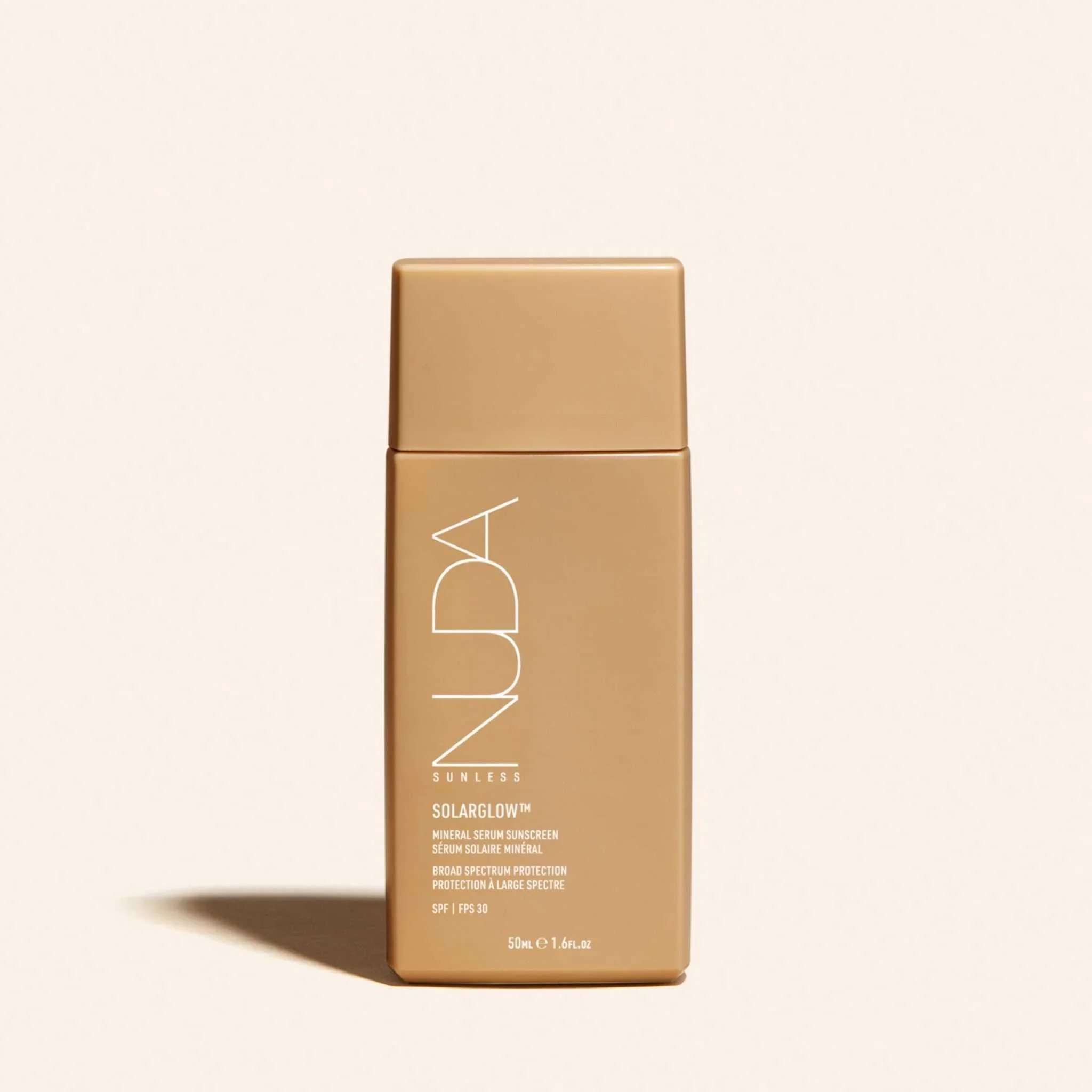
Nuda SolarGlow (works great on top of spray tans!)
Best practice when wearing sunscreen:
Apply 15 minutes before sun exposure
Reapply every 2 hours (especially when outside all day)
Wear a hat
Seek shade when you can
Stay away from tanning beds as they can have 12x the amount of UVA than natural sunlight. These are the cancer causing rays that also contribute to premature aging.
Do I really have to reapply?
In short, yes. Touching your skin can rub off what you applied, even sweat-proof and water-resistant formulas are only good for 80 minutes at most (check your label). Using a powder mineral sunscreen can be a quick, easy way to reapply sunscreen throughout the day. Powder sunscreen is also great to use on hairlines/scalp!
Once you start wearing sunscreen on a regular (daily!) basis, you will want to practice double cleansing at night to effectively remove it. Double cleansing is when you remove makeup and sunscreen before using a surfactant cleanser. Many use a pre-cleanse oil, makeup removing balm, micellar water, or a milky cleanser as their first cleanse. You will be amazed how happy your skin is when you add daily sunscreen and nightly double cleansing to your routine.
